
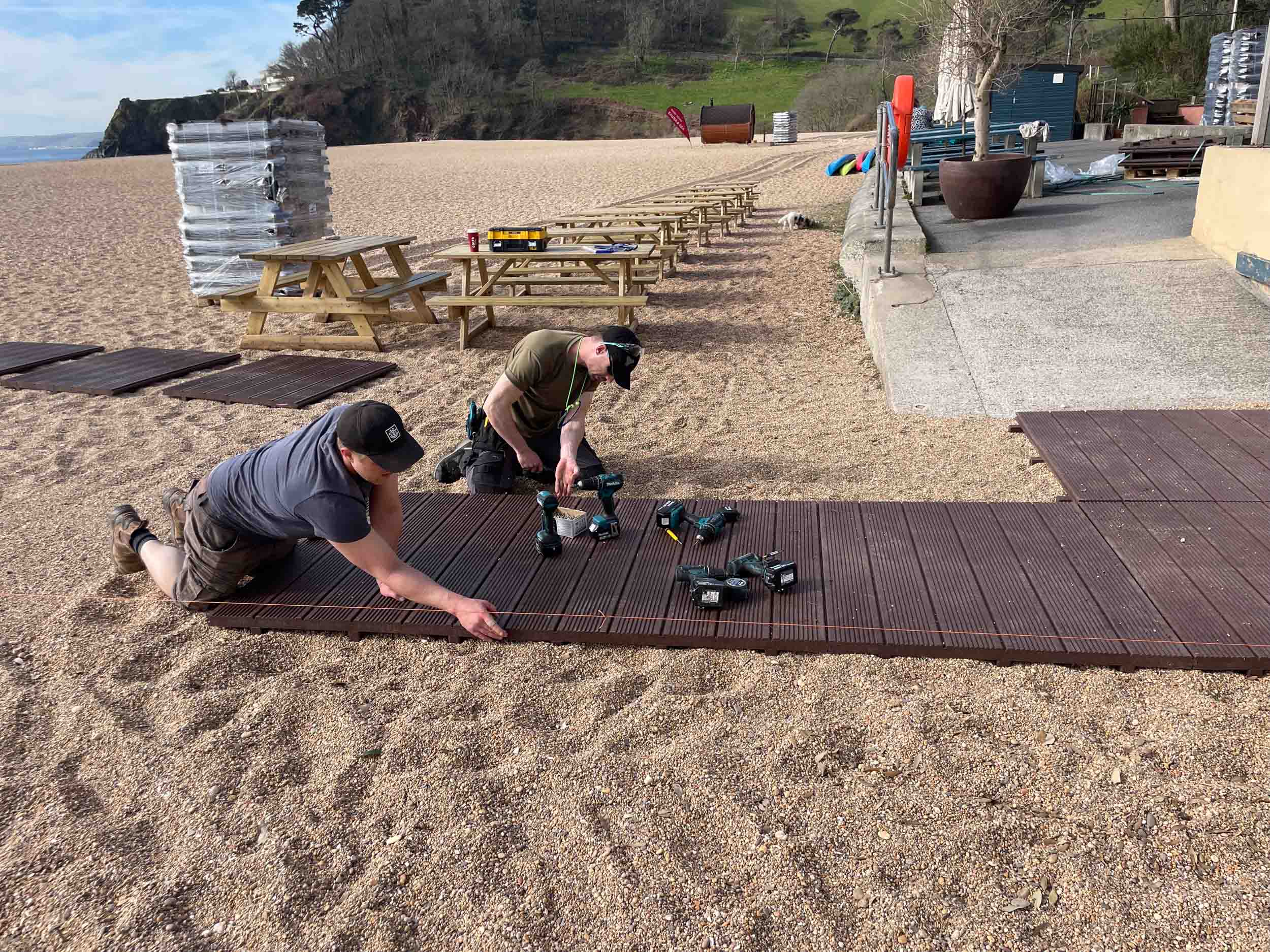

Recycled plastic decking and plastic lumber are becoming increasingly popular for outdoor projects thanks to their durability, low maintenance, and resistance to rot. However, installing recycled plastic requires slightly different techniques compared to traditional timber.
In this guide, we explain how to drill recycled plastic, how to fix plastic decking, and which fixings to use for plastic lumber to ensure a long-lasting, professional result.
What Are the Best Fixings for Recycled Plastic?
Choosing the correct fixings is essential when installing recycled plastic products such as decking, planks, and structural profiles.
- Coastal environments: Use A4 marine-grade stainless steel fixings for maximum corrosion resistance
- General outdoor use: A2 stainless steel fixings are suitable for most applications
- Alternative options: Brass or plated fixings can also be used where appropriate
Using corrosion-resistant materials ensures your installation remains maintenance-free, rot-proof, and structurally sound over time.
Best Screws for Plastic Lumber
For the best performance, we recommend:
- Twin flight, parallel thread, coarse pitch screws
- Hi-low screws
These provide superior grip in recycled plastic compared to standard taper-thread wood screws, which are less reliable due to the material’s density.
How to Screw and Bolt Recycled Plastic
When fixing recycled plastic decking boards or plastic lumber profiles, proper preparation is key.
Step-by-Step Fixing Guide
- Pre-drill the top profile
- Drill a hole slightly larger than the screw or bolt
- This prevents stress and allows for movement
- Drill a pilot hole in the subframe
- Use a smaller diameter pilot hole for secure fixing
- Use elongated holes where possible
- Helps accommodate expansion and contraction
- Do not overtighten fixings
- Allow natural movement in the material
This method ensures your recycled plastic installation remains stable and long-lasting.
How to Drill Recycled Plastic
Drilling recycled plastic is simple when using the correct tools and settings.
Recommended Drill Settings
- Drill type: Standard drill
- Twist angle: 20–30°
- Tip angle: 110–120°
- Speed: 400–900 rpm (avoid high-speed drilling)
Best Drill Bits for Plastic Lumber
- Twist drills (most efficient)
- Standard spiral bits (also suitable)
Drilling Tips
- Keep holes at least 10mm from the edge
- Use steady pressure—the material is denser than wood
- Pause regularly to reduce heat build-up
- Remove swarf (waste material) to keep the hole clean
- Allow the drill bit to cool during deeper drilling
These techniques help prevent overheating and ensure clean, accurate holes.
Can You Nail Recycled Plastic?
Yes—recycled plastic can be nailed using either:
- A hammer
- Nail gun
However, due to the compact surface of plastic lumber, it is slightly harder to penetrate than timber. Always use corrosion-resistant nails for outdoor applications.
Allowing for Expansion in Plastic Decking
One of the most important considerations when installing recycled plastic decking or boards is thermal expansion.
- Recycled plastic can expand or contract by up to ±1.5% in length
- Always include an expansion gap between boards and profiles
- Never install boards as a tight press fit
Allowing for movement prevents issues such as buckling, warping, or stress cracking over time.
Summary: Installing Recycled Plastic the Right Way
To get the best results when working with recycled plastic:
- Use stainless steel fixings (A2 or A4)
- Choose coarse thread screws designed for plastic or composite materials
- Always pre-drill holes correctly
- Drill at low speeds to avoid overheating
- Allow for thermal expansion gaps
Following these guidelines will ensure your recycled plastic decking or plastic lumber installation is strong, durable, and maintenance-free for years to come.
Need Help with Recycled Plastic Fixings?
At The Plastic Company, we supply high-quality recycled plastic products along with expert advice on installation and fixings.
Get in touch with our team today to find the right solution for your project.